 Calculate

Depression Guide · Episode 4/10
Explore worldwide depression estimates, how culture shapes the way people describe symptoms, and why access to mental health care differs across countries.
Depression Statistics Worldwide
Depression is not an American problem, a Western problem, or a rich-country problem. It exists in every country, every culture, and every income level. Yet what people experience, what they call it, and whether they can get help depend enormously on where they live.
In this episode we zoom out to the global picture: how many people are affected, how cultures shape the experience, and why the gap between those who need care and those who receive it is so wide.
How Many People Live with Depression Worldwide?
According to the World Health Organization (WHO):
- WHO estimates that in 2023, depression affected about 5.2% of adults worldwide and 5.4% of adults aged 70 and older.
- WHO’s 2023 estimate puts the worldwide total at about 322 million people.
- Depression is a leading contributor to disability worldwide, because it affects the ability to work, study, and care for family.
- Women are affected about 1.5 times more often than men, and more than 10% of pregnant and postpartum women experience depression.
- Across all mental health conditions, WHO's 2025 report estimated that over one billion people live with a mental health condition, with anxiety and depression the most common.
- Depression and anxiety together cost the global economy an estimated US$1 trillion each year, mostly from lost productivity.
These are estimates. In many countries, depression is under-diagnosed, so the real numbers may be higher.
The Same Illness, Different Ways of Talking About It
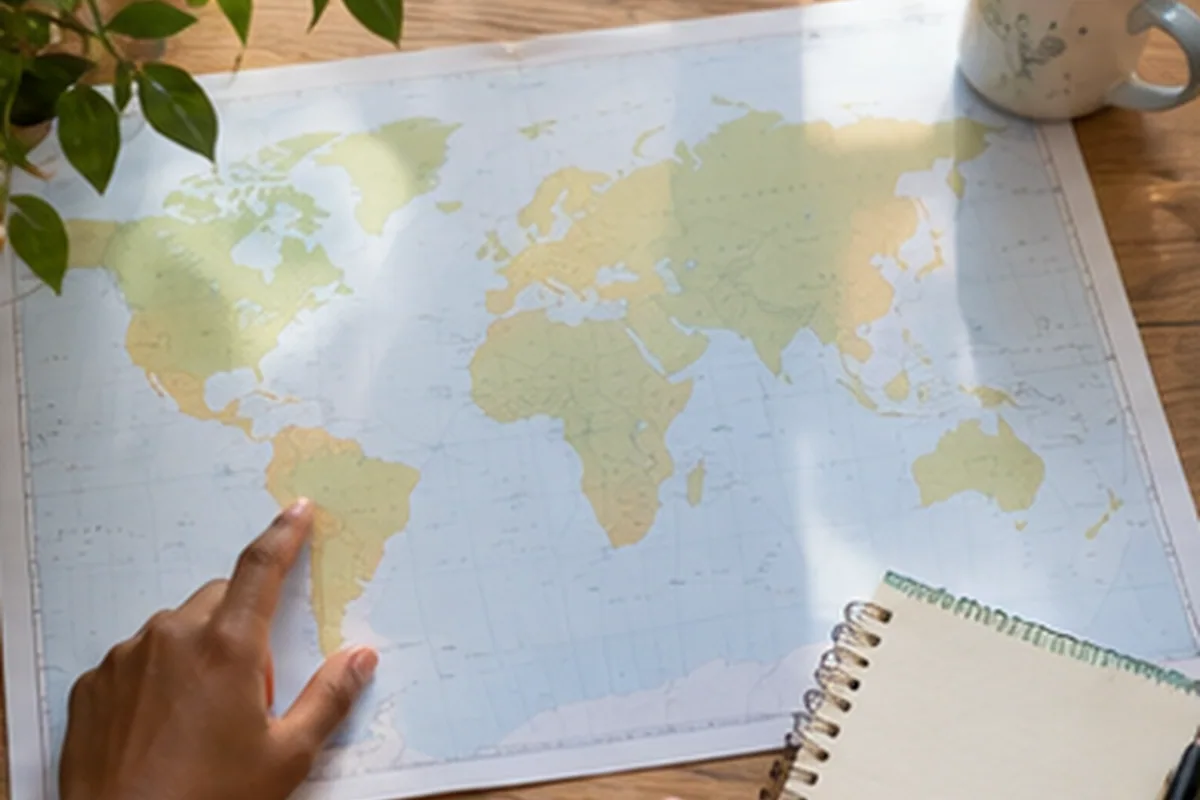
Depression exists everywhere, but cultures use different words and ideas to describe it.
Emotional vs. physical language
In some cultures, people openly say "I feel depressed" or "I feel sad." In many others, distress is more commonly described through the body: headaches, fatigue, heaviness in the chest, stomach problems, pain, or trouble sleeping. This is called somatic expression. A person describing only physical symptoms may be missed by doctors who are not trained to look for depression behind them.
Spiritual and social explanations
Some communities explain low mood as the result of stress, family conflict, spiritual tests, evil eye, or fate. These explanations can be meaningful and comforting, and faith and community can be powerful sources of support. But if they stop someone from seeking medical or psychological help when they need it, they can delay recovery.
Shame and family honor
In many societies, mental illness carries stigma. People may fear gossip, damaged marriage prospects, loss of job opportunities, or shame to the family. As a result, many suffer silently or describe their problems in other terms. Stigma exists in wealthy countries too, but it can combine with scarce services to make help even harder to reach.
Language gaps
Some languages do not have a direct word that matches "depression." Local expressions like "thinking too much," "heavy heart," or "sinking feeling" may describe similar experiences. Good care respects these local words rather than dismissing them.
The Treatment Gap: Who Gets Help?

This is where the global picture is most troubling.
- WHO reports that only about one in three people with depression in high-income countries receive mental health treatment.
- Treatment access varies across countries and settings. Differences in surveys and definitions make some percentages difficult to compare directly.
- The global median is just 13 mental health workers per 100,000 people, and in low-income countries the number can be barely above one per 100,000, compared with more than 60 in high-income countries.
- Governments spend a median of only about 2% of health budgets on mental health. High-income countries may spend up to US$65 per person on mental health, while low-income countries spend as little as US$0.04.
- Even essential psychiatric medicines are missing from the national essential medicines lists of some low-income countries.
This means that for millions of people, there is simply no therapist, no psychiatrist, and no affordable medicine available nearby.
Why Depression Rates and Risks Differ Between Countries
Comparing countries is tricky because survey methods, definitions, and stigma differ. Even so, researchers point to several factors that shape both the risk of depression and the ability to recover.
- Poverty and inequality: Financial stress, unemployment, and insecure housing raise depression risk.
- Conflict, displacement, and disaster: Wars, forced migration, earthquakes, and floods are strongly linked to depression and trauma. Refugees and displaced communities face especially high rates.
- Gender inequality: In places where women face limited rights, early marriage, violence, or heavy caregiving burdens, depression rates among women can be high.
- Urbanization and migration: Moving to a new city or country can bring isolation, language barriers, and loss of community.
- Health systems: Where primary care is strong and mental health is integrated into it, more people are diagnosed and treated.
- Laws and human rights: WHO reports that only 45% of countries evaluated had laws fully consistent with international human rights standards, and fewer than one in ten countries has fully moved to community-based care instead of relying on psychiatric hospitals.
Depression and Suicide Worldwide
Depression is a major risk factor for suicide, although most people with depression do not die by suicide, and not all suicides involve depression.
- WHO estimates that about 727,000 people died by suicide in 2021.
- Suicide is the third leading cause of death among people aged 15 to 29.
- About 73% of suicides occur in low- and middle-income countries.
- Progress is too slow to reach the UN goal of reducing suicide rates by one-third by 2030.
Suicide is preventable. Access to care, support from family and community, responsible media reporting, and reducing access to means all help.
What Is Working
There is good news too. WHO's latest data show some progress:
- Task-sharing: Trained community health workers and lay counselors can deliver effective psychological treatments such as problem-solving therapy or behavioral activation, which has helped extend care where specialists are scarce. The WHO's Problem Management Plus and Thinking Healthy programmes are examples.
- Integration into primary care: 71% of countries now meet at least three of five WHO criteria for integrating mental health into primary care.
- Emergency response: Over 80% of countries now include mental health support in emergency responses, up from 39% in 2020.
- Telehealth and apps: Online and phone-based support is widening access, although it remains uneven and depends on internet access and digital skills.
- School and community programs: More countries run mental health promotion in schools and early childhood programs.
- Awareness campaigns: Public conversations about mental health are slowly reducing stigma, especially among younger people.
What You Can Do, Wherever You Live
- Talk about it. Every honest conversation chips away at stigma.
- Learn the local options. Look for primary care clinics, community health centers, university clinics, NGOs, faith-based counseling, and helplines in your own country.
- Use free international directories such as findahelpline.com or the International Association for Suicide Prevention's crisis centre list to find helplines. Confirm details locally, since services change.
- Combine support: Family, community, faith, and professional care can work together.
- Advocate. Encourage employers, schools, and local leaders to support mental health.
Frequently Asked Questions
Which country has the most depression? It is hard to say, because countries measure and report depression differently, and stigma hides cases. Large countries have the most people affected in absolute numbers, and countries affected by conflict or severe poverty often face particularly high burdens.
Is depression a "Western" concept? The words may differ, but low mood, loss of interest, exhaustion, and hopelessness are recognized across cultures. Treatments should respect local beliefs and language.
Can poor countries treat depression effectively? Yes. Evidence shows that trained community workers using simple, structured therapies can achieve good results at low cost. The challenge is funding and scale.
Sources: World Health Organization, Depression fact sheet and Mental disorders fact sheet (who.int); WHO, "Over a billion people living with mental health conditions—services require urgent scale-up" (2 September 2025); WHO, "WHO releases new reports and estimates highlighting urgent gaps in mental health" (2 September 2025).
Disclaimer: This series is for education only and is not medical advice or a substitute for professional diagnosis or treatment.
Sources and further reading
About the author
Calculate Simply · Calculate Simply publishes practical educational guides for general readers. The site editorial team prepared this series and links to public health sources.